- Trekking
- Mountaineering
- About Us
- Contact


Autumn, Winter,Spring
The south east route
medium
5-10
6119m
21 days
Lobuche Peak lies on the southwestern side of the Upper Khumbu Valley in Nepal’s Everest region and features two distinct summits: Lobuche East (6,119 m / 20,075 ft) and Lobuche West (6,145 m / 20,161 ft). Among Nepal’s popular trekking peaks, Lobuche East is considered more technical and demanding than Island Peak or Mera Peak, making it an excellent objective for climbers seeking a true alpine experience. In return, it offers breathtaking panoramic views of Everest, Lhotse, Nuptse, Ama Dablam, Pumori, and the surrounding Himalayan giants.
The first recorded ascent of Lobuche East was made on 25 April 1984 by Laurence Nielson and Sherpa Ang Gyalzen. The normal climbing route follows the south ridge, which is the most commonly used and comparatively the safest line, involving snow, ice, and mixed terrain that requires basic mountaineering skills and the use of fixed ropes near the summit.
The expedition typically begins with a short flight to Lukla, followed by a scenic trek along the classic Everest Base Camp trail through Namche Bazaar, Dingboche, and Lobuche village. Base Camp is usually established at around 4,950 meters, from where climbers make their summit push and descend via the same route before returning to Lukla and flying back to Kathmandu.
Highlights of Lobuche East include dramatic high-altitude scenery, a rewarding technical climb, and straightforward logistics due to its location on the well-established EBC trekking route, making it an ideal combination of Himalayan trekking and peak climbing.
21 days – Detailed Itinerary
On arrival in Kathmandu, you are warmly greeted by our Sherpa Mountaineering Expeditions staff at Tribhuvan International Airport (TIA). SME representatives will assist then transfer to respective hotels.
In Kathmandu sightseeing program includes visit of world heritage sites the sacred Hindu temple of Pashupati Nath, the world biggest Stuppa; Boudhhanath, known as little Tibet, Swoyambhunath Stupa (monkey temple) located on a hill side one of the oldest religious spot of more than 2,500 years old and historical Kathmandu Durbar Square with unique architectural temple, and the virgin Kumari known as Living Goddess in Basantapur atf central Kathmandu. Kathmandu is not only naturally beautiful but it also holds the beauty of incredible Newar people culture with ancient architectures.
Moring a super scenic flight of near 35 minutes bring you at Lukla. Lukla airport is also known as Tenzing –Hillary Airport and Luka is assessable either by air or by trek from the old classic route by Jiri or from Arun Valley, from Lukla start our trek to Phakding for overnight stop.
On this day we walk up to the bank of the Dudh Koshi River and cross the suspension bridge. A few hours of trek will take us to the entrance gate to visit National Park, Monjo. We further walk for few hours to reach Namche. Namche is a prosperous trading town and the capital of the Khumbu Region with many Nepalese officials, ATMs, Internet cafes, shops, restaurants, a police check, post and a bank, a bakery and a colorful market each Friday evening and Saturday. You can buy your essential climbing equipments and other stuffs here in Namche if needed, overnight at Namche Bazaar.
Namche is the perfect place for the acclimatization. Spending an extra day in Namche helps to acclimatize our body in higher altitude and avoid the risk of Acute Mountain Sickness (AMS). Namche is also a mesmerizing market hub where one can explore its vicinity and make further plans for the trip.
Trek along a gradual trail through conifer and rhododendron forests, somewhat exposed trail with the best views of Ama Dablam. The walk further offers striking views of Mt.Everest, Nuptse, Lhotse, Thamserku and Kwangde peak. The trail climbs uphill passing through the forests to reach Tyangboche. This area is known as the holy land as the head lama (Rinpoche) of the monastery resides here. This is the place, where climbers take blessing from the high lama in order to have best and safe expedition.
After breakfast following the trail that drops to Debuche and crossing suspension bridge on the Imja Khola. Then a gentle climb to reach Pangboche a Sherpa village with several houses made of stones with an old monastery. The trail leads slowly leaving the tree lines behind through exposed landscapes with fantastic views of Mt. Ama Dbalm at close range then reaching at Dingboche for the overnight stop.
Another rest day allows you to acclimatize in this high altitude, with time to explore the surrounding area..
Leaving Dingboche, follow the trail uphill for an hour then a gradual walk all the way to Thugla ( Dugla) with fantastic views of Taboche, Cholatse, Lobuche, Pumori, Ama Dablam and as far to Mt. Makalu towards east and tips of Mt. Cho Oyu in the west, the climb up to the terminal debris of Khumbu Glacier, and continues till Lobuche for overnight stop.
The trail today is quite challenging but offers mesmerizing views of Mt. Everest the highest point on this planet at 8,848 meters / 29,028 ft. On reaching at Gorakshep following the moraine and ice path, Gorakshep with 04 lodges the last lodge before Everest Base Camp after break here continue to Everest Base Camp walking along moraine below the Khumbu Icefall to reach Everest Base Camp. After spending some time in base camp, return back to Gorakshep for overnight stop.
Early morning start climb to Kalapatthar for the stunning view of Mt. Everest and its surroundings peaks. Kalapatthar is the vantage point for views of the entire south face of Mt. Everest and other high mountains, after spending some moments here a gentle descend to the small settlement of Lobuche and then walk from Lobuche toward the Lobuche Base Camp, on steep and rocky trail along the Lobuche glacier. The trail offers amazing views of Ama Dablam, Cholatse, Pokalde, Thamserku, Kantega, after a several hours of walk reach at Lobuche Base 4,865 m / 15,957 ft our guide will give you every detail regarding climb on this day.
On this day first pack climbing gear and make a gentle climb to reach the high camp. The climb takes almost four to five hours to reach the high camp, climb through rocky moraine path to reach High Camp with final preparation for the climbing and overnight in tented camp.
The climb to the summit is steep climbing which is slightly difficult. So our guide and leader will fix rope where it is necessary for this strenuous ascent to reach the summit, from the top breathtaking views of the staggeri8ng high mountains that surrounds you. After spending some time on the summit descend along the same route to base camp.
The weather condition around high Himalaya is unpredictable; have to wait sometimes for the good favorable weather condition. So, reserve this extra day in case of bad weather condition.
Morning after or before breakfast pack the gears then with a gentle descend to the small settlement of Thugla and towards Pheriche valley for the overnight stop.
Leaving Pheriche with grand views of Ama Dablam, Nuptse wall, Lhotse, Makalu and Island peak then head towards the famed Tyangboche with its beautiful monastery and striking scenery views, reaching back at lush vegetation and tree lines after being in arid terrain for a week or more, the final leg of this walk leads to a climb for an hour to Thyangboche offering grand views of peaks that surrounds this lovely spot with its monastery, a short downhill to Imjatse River after the bridge a steep climb for an hour with gradual winding trail all the way to Namche Bazaar for overnight stop.
After Namce it’s all downhill to Dudh Kosi River bed and with few short ups to enter the Sagarmatha National park to exit towards Monjo, the last day walk of this great adventure with easy gradual trail through the village of Phakding following the Dudh Kosi, after crossing the bridge at Phakding a nice pleasant trek with few short up and downs to Lukla, on reaching Lukla the last dinner with the trekking staffs and porters.
The flight time to Kathmandu, are schedule for morning normally, because of the wind in the afternoon, sometime the flight time can be delayed due to bad weather and other reason, depending upon the flight time make way to the terminal for security check, this scenic flight from Lukla takes about 30 minutes to Kathmandu, a panoramic view of the snow capped peaks can be seen during the flight. Arriving at Kathmandu domestic terminal, our staff will receive and transfer you back to Hotel.
A free day in Kathmandu, please inform our staff if you would like to go on another short tour in and around Kathmandu Valley.
Today as per your international flight time, Sherpa Mountaineering Expeditions staff will take you to the airport for your final departure from this amazing country, Nepal.
Everything you need for a comfortable and memorable trek

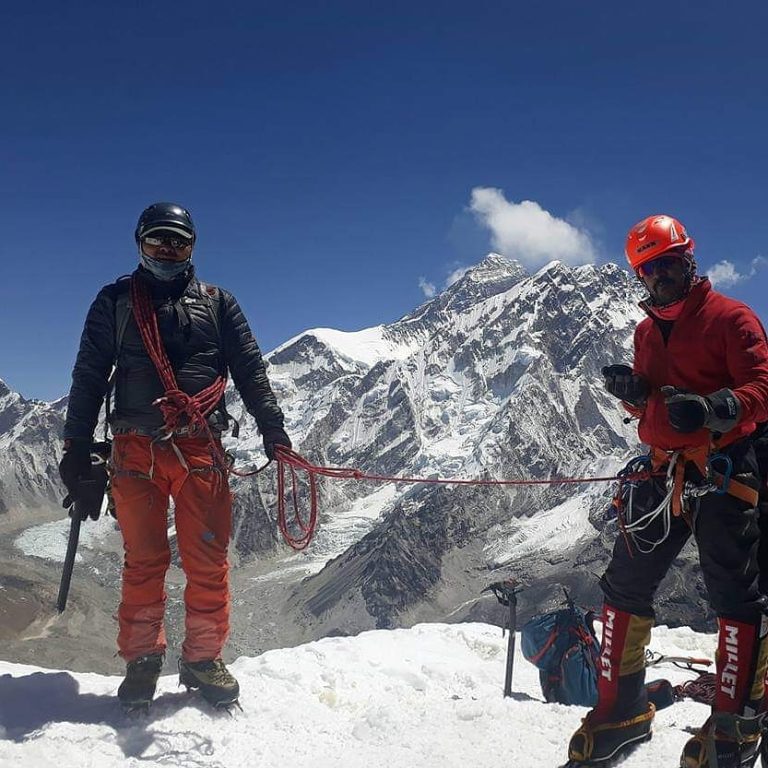
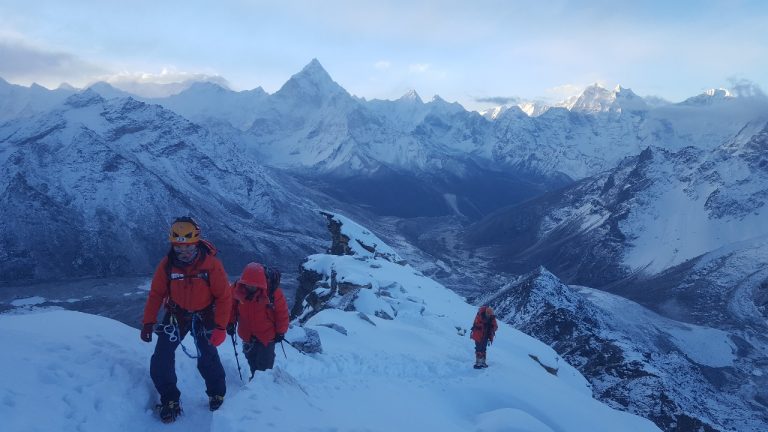
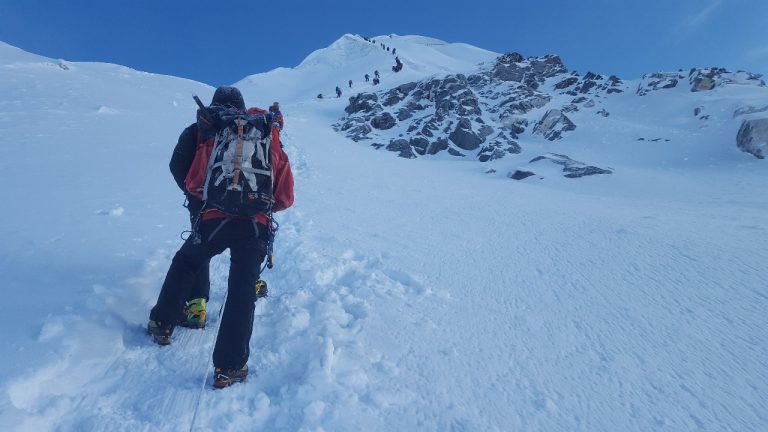
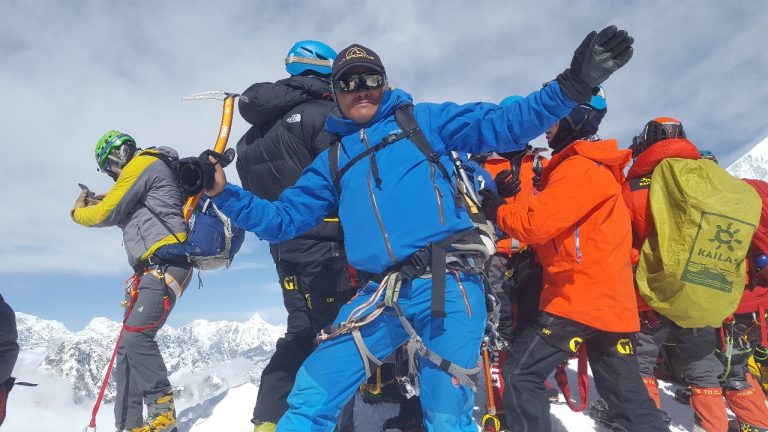
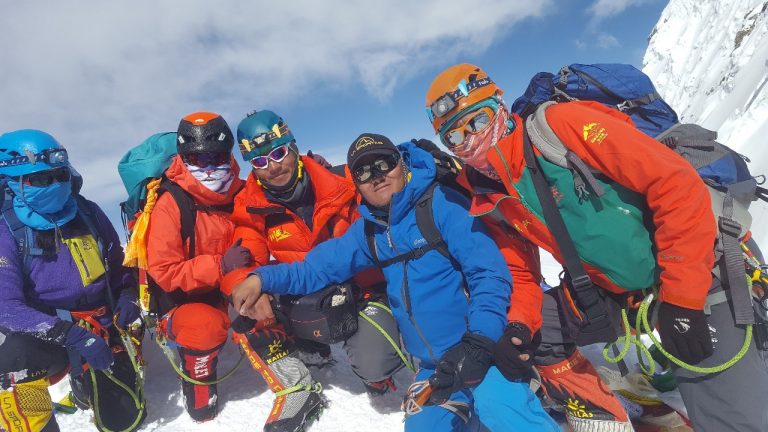
Explore stunning visuals from the Labuche Peak Climbing that showcase the majestic beauty of the Himalayas.
Common questions about the Labuche Peak Climbing
Lobuche East (6,119 m/20,075 ft) is a moderate peak, suitable for trekkers with basic mountaineering experience. The route is safe, and our climbing Sherpas guide you through technical sections.
The ideal seasons are Spring (March–May) and Autumn (September–November). These months offer stable weather, clear skies, and the best climbing conditions.
Basic climbing skills are recommended. If needed, our guides provide pre-climb training on using crampons, ice axe, harness, and fixed ropes.
The expedition usually takes 15–18 days, including trekking, acclimatization, and summit day.
You will need personal gear such as crampons, a harness, an ice axe, a helmet, double boots, a down jacket, and warm layers. All group climbing equipment is provided by Sherpa Mountaineering.
21 days • No upcoming departure dates

Sherpa Mountaineering is a premium Himalayan guiding company founded by IFMGA guide Lakpa Sherpa, delivering safe, ethical, and bespoke expeditions.

🏔️ My First Expedition 2002— Ama Dablam 6,812 meters (22,349 feet) and it became one of the most important experiences of my early mountaineering career.
There were 11 members, one German guide, and two climbing Sherpas. We were responsible for carrying the equipment and managing the expedition logistics.
The work was not easy. We carried loads to Camp 1 four times, Camp 2 three times, and Camp 3 twice. We also had to transfer loads between camps, fix ropes, and continue climbing toward the summit.
Ama Dablam is a technical mountain, so reaching the summit is not simply about walking uphill. It requires repeated climbing, descending, carrying loads, and working as a team.
Even after reaching the summit, our work was not finished. We still had to return through Camp 3, Camp 2 and Camp 1, making several journeys before completing the expedition.
Standing on the summit was an incredible feeling—full
#AmaDablam #SherpaMountaineering #Himalayas #Mountaineering #Sherpa

Khumbu 3 Peaks & 3 Passes Expedition 2026
Summary
Duration: 25 Days
Price: USD 7,999 per person (Minimum 2 participants)
The Khumbu 3 Peaks & 3 Passes Expedition is one of Nepal's ultimate alpine adventures. Organized by Sherpa Mountaineering, this expedition combines the legendary Everest Three Passes Trek with the ascents of Nirekha Peak (6,159 m), Lobuche East (6,119 m), and Island Peak (6,189 m). Climbers will cross the spectacular Renjo La (5,360 m), Cho La (5,420 m), and Kongma La (5,535 m) while enjoying panoramic views of Everest, Lhotse, Makalu, Cho Oyu, Ama Dablam, and many other Himalayan giants.
Led by experienced Sherpa climbers and IFMGA-certified mountain guides, this expedition emphasizes safety, premium hospitality, professional logistics, and proper acclimatization, ensuring a rewarding and unforgettable Himalayan experience.
Itinerary
Day 1: Arrive in Kathmandu
Day 2: Fly to Lukla – Trek to Phakding
Day 3: Trek to Namche Bazaar
Day 4: Acclimatization in Namche Bazaar
Day 5: Trek to Thame
Day 6: Trek to Dungde
Day 7: Acclimatization in Dungde
Day 8: Cross Renjo La Pass – Trek to Gokyo
Day 9: Trek to Thagnak
Day 10: Trek to Nirekha High Camp
Day 11: Training and climbing preparation at High Camp
Day 12: Summit Nirekha Peak – Return to Thagnak
Day 13: Cross Cho La Pass – Trek to Dzongla
Day 14: Trek to Lobuche East Base Camp
Day 15: Summit Lobuche East – Return to Lobuche
Day 16: Trek to Gorakshep – Visit Everest Base Camp – Return to Gorakshep
Day 17: Sunrise at Kala Patthar – Cross Kongma La Pass – Trek to Chhukung
Day 18: Rest and climbing preparation in Chhukung
Day 19: Trek to Island Peak Base Camp
Day 20: Summit Island Peak – Return to Chhukung
Day 21: Trek to Namche Bazaar
Day 22: Trek to Lukla
Day 23: Fly to Kathmandu
Day 24: Free Day / Buffer in Kathmandu
Day 25: Final Departure
Expedition Highlights
Summit Nirekha Peak (6,159 m)
Summit Lobuche East (6,119 m)
Summit Island Peak (6,189 m)
Cross Renjo La, Cho La & Kongma La
Visit Everest Base Camp and Kala Patthar
Organized by Sherpa Mountaineering
Led by experienced Sherpa guides and IFMGA-certified mountain guides
Premium Sherpa hospitality with a strong commitment to

Ama Dablam Expedition 2026
20 October – 18 November 2026 | 30 Days
Price: USD $7,799
Join Sherpa Mountaineering for an unforgettable ascent of Ama Dablam (6,812 m), one of the world's most iconic Himalayan peaks. Guided by an IFMGA Mountain Guide and supported by an experienced Sherpa climbing team, this expedition offers the highest standards of safety, professionalism, and personalised support.
With carefully planned acclimatisation, fully equipped Base Camp and High Camps, fixed rope support, and expert expedition logistics, Sherpa Mountaineering provides an exceptional opportunity to climb Ama Dablam with confidence. Our commitment to safety, quality service, and Sherpa hospitality ensures a rewarding and memorable Himalayan experience.
Expedition Itinerary
Day 1 (20 Oct): Arrival in Kathmandu (1,400 m)
Day 2: Expedition briefing and gear check
Day 3: Fly to Lukla, trek to Phakding
Day 4: Trek to Namche Bazaar
Day 5: Acclimatization day at Namche
Day 6: Trek to Pangboche
Day 7: Trek to Ama Dablam Base Camp
Day 8–24: Climbing rotation, acclimatization, and summit attempt (6,812 m)
Day 25: Return to Pangboche
Day 26: Trek to Namche Bazaar
Day 27: Trek to Lukla
Day 28: Fly to Kathmandu
Day 29: Free day in Kathmandu
Day 30 (18 Nov): Final departure
Sherpa Mountaineering Services
IFMGA expedition leader (subject to availability)
Experienced Sherpa climbing guides
Climbing permit and all government fees
Base Camp and High Camp logistics
Fixed ropes and group technical equipment
Base Camp accommodation and meals
Tents, kitchen, and dining facilities
Oxygen and emergency medical support at Base Camp
Kathmandu hotel (twin sharing)
Domestic flights (Kathmandu–Lukla–Kathmandu)
Ground transportation
Staff salary, insurance, and equipment
Satellite communication or data and weather updates
Expedition certificate
#AmaDablam #SherpaMountaineering #Himalayas #Mountaineering #Sherpa


Everest Base Camp Trek 2026
Sherpa Mountaineering
Experience the legendary Everest Base Camp Trek (5,364 m) with Sherpa Mountaineering, guided by our experienced local Sherpa team. Trek through the heart of the Khumbu region, visit the vibrant Sherpa village of Namche Bazaar, explore the famous Tengboche Monastery, and stand at the foot of the world's highest mountain. Enjoy professional guiding, comfortable teahouse accommodation, excellent hospitality, and a safe, well-organised journey from Kathmandu to Everest Base Camp and Kala Patthar (5,545 m)
Everest Base Camp Trek – Autumn 2026
Sherpa Mountaineering
Departure: 14 October 2026
Return: 28 October 2026
Duration: 15 Days
Itinerary
Day 1 – 14 Oct: Arrive in Kathmandu (1,400 m), airport transfer, trip briefing.
Day 2 – 15 Oct: Fly to Lukla (2,860 m), trek to Phakding (2,610 m).
Day 3 – 16 Oct: Trek to Namche Bazaar (3,440 m).
Day 4 – 17 Oct: Acclimatization day at Namche Bazaar.
Day 5 – 18 Oct: Trek to Tengboche (3,867 m).
Day 6 – 19 Oct: Trek to Dingboche (4,410 m).
Day 7 – 20 Oct: Acclimatization day at Dingboche.
Day 8 – 21 Oct: Trek to Lobuche (4,940 m).
Day 9 – 22 Oct: Trek to Gorak Shep (5,164 m), visit Everest Base Camp (5,364 m), return to Gorak Shep.
Day 10 – 23 Oct: Hike Kala Patthar (5,545 m), trek to Pheriche.
Day 11 – 24 Oct: Trek to Namche Bazaar.
Day 12 – 25 Oct: Trek to Lukla.
Day 13 – 26 Oct: Fly to Kathmandu.
Day 14 – 27 Oct: Free day in Kathmandu (shopping/sightseeing or contingency day).
Day 15 – 28 Oct: Final departure.
Price: US$1,800 per person
Company: Sherpa Mountaineering
WhatsApp: +977 9851070072
Website: sherpamountaineering.com
Email: info@sherpamountaineering.com

#himlunghimal #sherpamountaineering
#himalayasnepal
Himal Expedition 2026
Organized by Sherpa Mountaineering
Expedition Dates: 1 October – 29 October 2026
Expedition Summary
Join Sherpa Mountaineering on an exciting expedition to Himlung Himal (7,126m / 23,379ft) in Nepal's remote Nar Phu Valley. Himlung is one of the best introductory 7,000-metre peaks and an excellent objective for climbers preparing for future 8,000-metre expeditions.
Led by experienced Sherpa climbers and IFMGA-certified mountain guides, the expedition provides professional leadership, strong safety standards, and full expedition logistics. October offers stable weather, clear skies, and ideal climbing conditions.
Itinerary
1 Oct: Arrival in Kathmandu (1,350m)
2 Oct: Expedition briefing, gear check and permit preparation
3 Oct: Drive to Besisahar
4 Oct: Drive to Koto
5 Oct: Trek to Meta
6 Oct: Trek to Kyang
7 Oct: Trek to Phu Gaon
8 Oct: Acclimatization day at Phu Gaon
9 Oct: Trek to Himlung Base Camp
10–24 Oct: Acclimatization, climbing rotations, high camp setup and summit attempt (7,126m)
25 Oct: Return to Base Camp
26 Oct: Trek to Phu Gaon
27 Oct: Trek to Koto
28 Oct: Drive to Kathmandu
29 Oct: Final departure
Expedition Highlights
Summit Himlung Himal (7,126m / 23,379ft)
IFMGA-certified mountain guide leadership
Experienced Sherpa climbing team
Complete expedition logistics and safety support
Remote Nar Phu Valley adventure
Excellent preparation for future 8,000-metre expeditions
.

Putha Hiunchuli (7,246 m) – Autumn 2026 Expedition
Expedition Summary
Putha Hiunchuli (Dhaulagiri VII, 7,246 m) is one of Nepal's most accessible 7,000-metre peaks, located in the remote Dolpo region. It is an excellent expedition for climbers preparing for future 8,000-metre mountains. The climb follows a gradual glacier route with well-planned acclimatisation, offering spectacular views of the Dhaulagiri range and a true wilderness experience away from the crowds. The best climbing season is autumn (September–October).
Expedition Dates
28 September – 30 October 2026
Duration: 33 Days
Outline Itinerary
Day 1 (28 Sep): Arrival in Kathmandu
Day 2: Expedition briefing and permit preparation
Day 3: Fly Kathmandu – Nepalgunj
Day 4: Fly to Juphal, trek to Dunai
Day 5: Trek to Tarakot
Day 6: Trek to Musi Khola
Day 7: Trek to Kagkot
Day 8: Trek to Yak Kharka
Day 9: Trek to Phedi
Day 10: Trek to Putha Hiunchuli Base Camp
Days 11–25: Acclimatisation, establish higher camps, and summit Putha Hiunchuli (7,246 m)
Day 26: Return to Yak Kharka
Day 27: Trek to Kagkot
Day 28: Trek to Musi Khola
Day 29: Trek to Tarakot
Day 30: Trek to Dunai
Day 31: Trek to Juphal
Day 32: Fly to Kathmandu via Nepalgunj
Day 33 (30 Oct): Final departure from Kathmandu.

MANASLU EXPEDITION 2026 | 8,163m
10 September – 14 October 2026
Conquer the world's 8th highest mountain with Sherpa Mountaineering.
Experience a professionally organised expedition led by our highly experienced Sherpa team with genuine Sherpa hospitality. Safety, personalised service, and expert leadership are at the heart of every climb.
Expedition led by experienced Sherpa climbers
IFMGA/UIAGM Mountain Guide support
Professional logistics and high-altitude safety
Quality Base Camp services and expedition management
Board Director:
Lakpa Sherpa
IFMGA/UIAGM Mountain Guide
25+ Years of Himalayan Expedition Experience
Join us for an unforgettable journey to the summit of Mt. Manaslu (8,163m).
Sherpa Mountaineering
Sherpa Hospitality • Safety • Experience • Success
#Manaslu #ManasluExpedition #Manaslu2026 #8000ers #SherpaMountaineering IFMGA UIAGM Mountain Guide Nepal Himalaya Expedition Climb Manaslu.
Expedition Itinerary
10 September 2026 – Arrival in Kathmandu, expedition briefing and preparation.
11 September – Drive to Besisahar.
12 September – Drive to Dharapani (jeep transfer).
13 September – Trek to Koto.
14 September – Trek to Meta.
15 September – Trek to Kyang.
16 September – Trek to Bimthang.
17 September – Acclimatisation day at Bimthang.
18 September – Cross Larkya La Pass and descend to Dharmasala (Larkya Phedi).
19 September – Trek to Samdo.
20 September – Trek to Sama Gaun.
21 September – Acclimatisation day at Sama Gaun.
22 September – Trek to Manaslu Base Camp.
23 September – 10 October – Climbing rotation, acclimatisation, Camp I, II, III and IV, followed by the summit push (weather permitting).
11 October – Return to Base Camp.
12 October – Trek back to Sama Gaun.
13 October – Helicopter or trek back towards Kathmandu (depending on expedition logistics).
14 October 2026 – Final departure from Kathmandu.
Sherpa Mountaineering
Sherpa Hospitality • Professional Leadership • IFMGA Mountain Guides • Safety First